
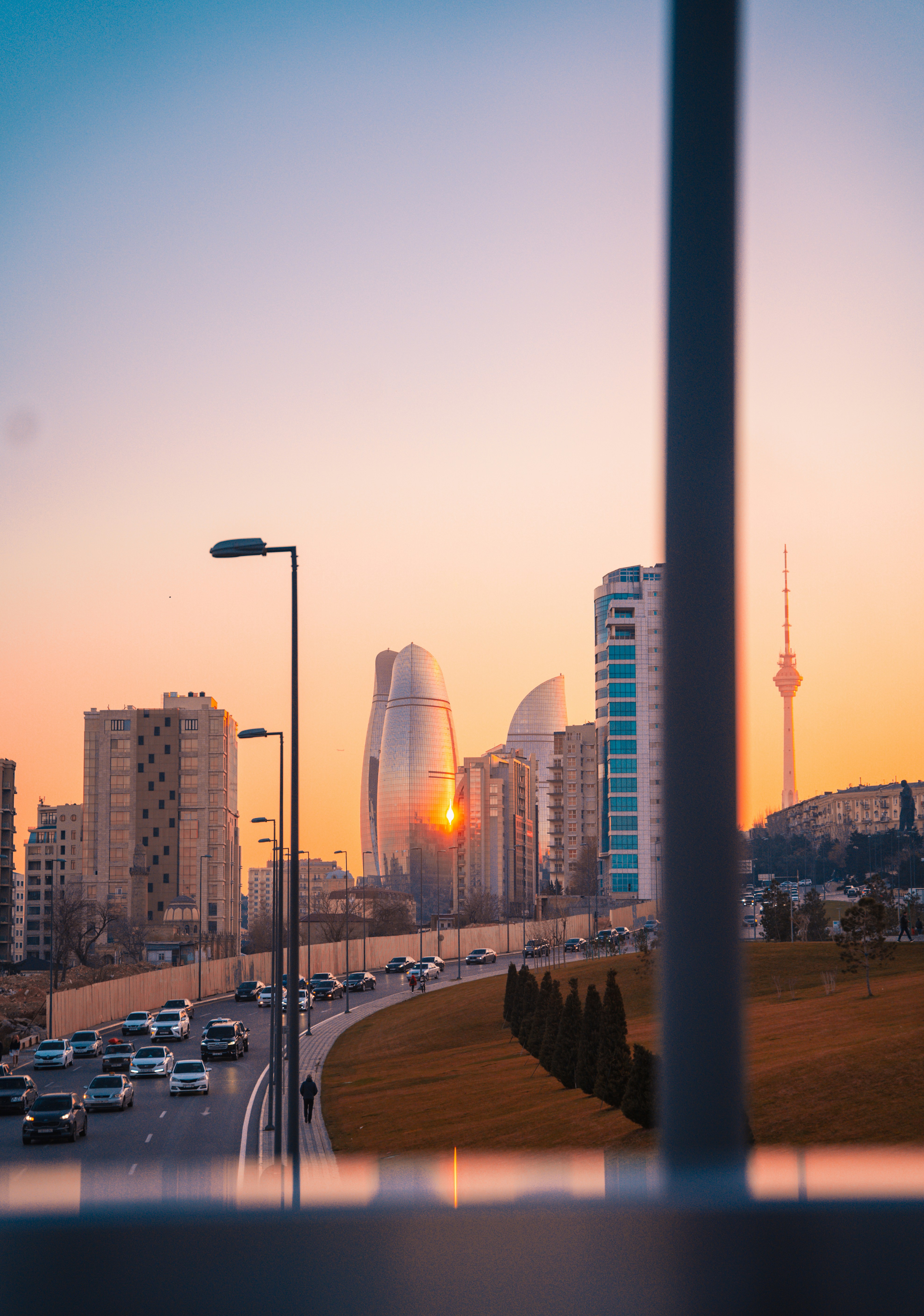
Cities are shaped as much by light as by the materials they’re built from. But in modern urban landscapes, natural light isn’t prioritised in design. Buildings absorb heat, cast shadows over streets, and artificial light disrupts wildlife and human wellbeing. The result is higher rates of chronic disease, greater energy use, and therefore costs, and ecosystems put under stress.
Natural light is the foundation of life. It influences everything from human sleep patterns to plant growth and biodiversity. The way cities are designed disrupts the natural rhythm of light which directly affects health, ecosystems, and resilience to climate change.
For millennia, sunlight dictated the rhythms of nature and our biology. Chlorophyll turns light into food, melanin helps balance energy, and our circadian rhythm aligns with sunrise and sunset. Research shows that morning light supports sleep regulation and mood, and excessive artificial light at night is linked to insomnia, metabolic disorders, and depression.
But the light balance of modern cities has been disrupted. Tower blocks block daylight from the streets, tarmac traps heat that can raise urban temperatures by up to 7°C, and streetlights shine through the night, confusing nocturnal wildlife and fragmenting habitats. When cities break their connection with natural light cycles, both people and ecosystems suffer.
Sunlight warms the skin and governs the biological rhythms of life. Morning light helps regulate melatonin, the hormone that governs sleep, mental health, and immune function. However, dense skylines and indoor living mean most people living in cities receive too little exposure to natural light, leaving our bodies out of sync with nature’s cues.
The US Environmental Protection Agency (EPA) estimates that city residents spend more than 90% of their time indoors. Many buildings are designed without considering natural light exposure, forcing reliance on artificial lighting that disrupts circadian rhythms.
The effects are measurable. Studies have linked artificial light at night with higher rates of sleep disorders, obesity, diabetes, and depression. One study of over 10,000 adolescents found that those living in brightly lit urban areas slept up to 40 minutes less per night than those in darker environments.
This is an important design flaw that needs addressing. When our cities block light and we see artificial substitutes all day, health and wellbeing decline.
Forests distribute sunlight with remarkable intelligence. Tall trees filter light to lower layers, where shade, moisture, and biodiversity thrive in balance. The result is a self-cooling, self-regulating ecosystem.
Our cities could work in the same way. Buildings can channel daylight without glare, walls and roofs can be covered with vegetation, and public spaces designed to mimic the filtering and cooling systems of a forest floor.
Some cities are already experimenting with this concept. Milan’s Bosco Verticale — a vertical forest of over 20,000 trees and plants designed by Stefano Boeri — reduces building energy use and creates a natural cooling effect through shade and evapotranspiration.
In Melbourne, the award-winning CH2 Building incorporates vertical gardens and sun-shading shutters to balance daylight and temperature, improving comfort while reducing dependence on artificial cooling. Similarly, Seattle’s Bullitt Center uses strategic glazing, a central atrium, and shading devices to flood spaces with natural light while avoiding glare.
These examples show that when daylight becomes a central design principle, it enhances energy performance, air quality, and biodiversity. All of which contribute to healthier, more resilient cities.
When cities reintroduce natural light cycles, the impact extends well beyond aesthetics. Morning light exposure helps align circadian rhythms, improving sleep and reducing stress. Research has shown that office workers with access to daylight sleep an average of 46 minutes longer per night.
Shade is also a crucial part of the light cycle. Tree-lined streets can lower surface temperatures, reducing the urban heat island effect and cutting cooling energy use. This balance of light and shade mirrors the way forest canopies regulate temperature.
Even air and water quality are connected to light. Through photosynthesis, plants powered by sunlight filter pollutants and absorb rainwater. Daylight-supported green infrastructure not only manages stormwater with natural filtration but also improves air quality.
Over half the world’s population already lives in cities, a figure expected to reach 68% by 2050. Rapid urbanisation is intensifying the effects of heatwaves, floods, and air pollution.
An important factor of these challenges is how cities manage light and heat. Dense skylines and dark surfaces trap solar radiation, amplifying the urban heat island effect. In parts of South Asia, this can make cities up to 20°C hotter than surrounding areas. Without action, the number of urban residents exposed to dangerous heat could increase by 700% by 2050.
.jpg)
The economic impact is significant. Across Europe and Central Asia, extreme heat could reduce city GDPs by up to 2.5% annually by mid-century, driven by reduced productivity, higher healthcare costs, and growing demand for cooling. Integrating daylight-responsive architecture and natural shading can help cut these losses while improving quality of life.
The challenges that need addressing can be framed as a design opportunity. By aligning cities with natural light cycles, we can cool urban environments, reduce emissions, and build ecosystems that sustain both human and planetary health.
Imagine walking through a city where sunlight reaches gardens between buildings, where trees shade the pavements, and where rainwater seeps naturally through green infrastructure instead of running into drains. A city that functions like a living forest. A place where light, shade, air, and water move in harmony.
This is what regenerative urban design looks like. Cities that restore, rather than deplete, the systems that sustain life.


